
More Intelligence. More Humanity.

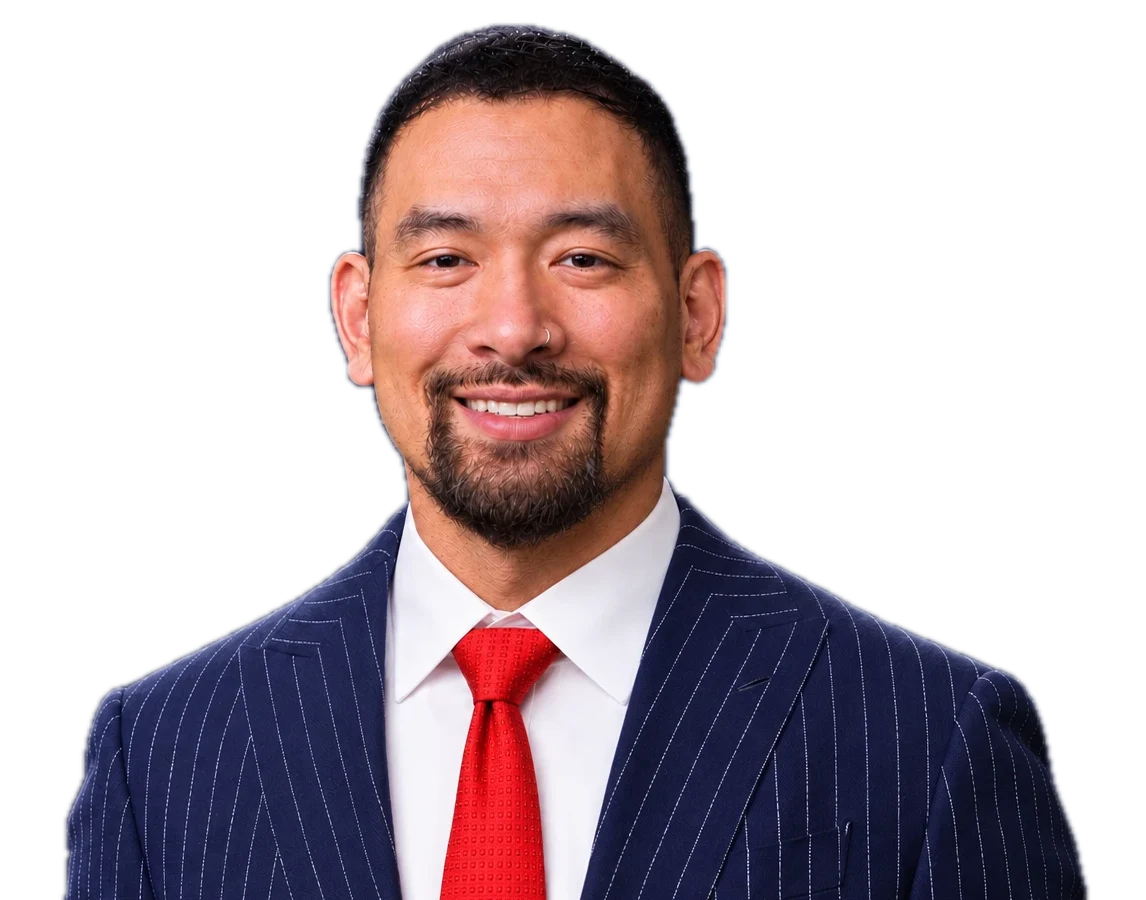
As AI works its way into nearly everything we do, some of what I see worries me.
I’m a personal injury attorney from Houston, Texas. I spent years helping build one of the fastest-growing personal injury law firms in the city.
I’m proud of what we accomplished. But growing a law firm also taught me how difficult it can be to run one.
As our caseload grew, so did the administrative work. Case managers spent hours requesting medical records, following up with providers, organizing documents, and trying to keep up with hundreds of moving parts. Attorneys were stretched thin. We kept hiring, but it often felt like there was never enough time to do everything that needed to get done.
And the people who suffered weren’t just our employees. They were our clients.
Someone who has been seriously injured doesn’t want to feel like another file sitting on a case manager’s desk. They want to know what’s happening with their case. They want their calls returned. They want to feel like someone actually cares about what they’re going through.
Our employees wanted to provide that kind of service. The problem was finding the time. That’s what originally got me interested in artificial intelligence.
I started thinking about how much of the work we did every day could be handled by technology. Not the legal judgment or the relationships with clients, but the countless administrative tasks that consumed so much of our employees’ time. That idea eventually became Omnis AI.
We’re building an AI-powered platform for law firms that brings case information, documents, communications, and workflows together. At the center is CHI, our Conscious Holistic Intelligence system, which coordinates specialized AI agents to help employees manage their work.
I want to give law firms access to technology that would have been unimaginable just a few years ago. Technology that allows a smaller firm to operate with the resources and capabilities of a much larger one.
But as I started learning more about artificial intelligence, my thinking changed. I became increasingly fascinated by what this technology could do. And increasingly concerned about what it might do to us.
The future I’m worried about
I believe artificial intelligence will be one of the most important technological developments of our lifetime.
We’re approaching a point where AI can perform work that once required years of training and experience. It can generate realistic photographs and videos of events that never happened. It can imitate people’s voices and carry on conversations that feel remarkably human. And we’re still early.
I think about what the world might look like ten or twenty years from now.
- How many jobs will disappear as businesses discover they can operate with a fraction of their current workforce? What happens to the people whose careers are displaced?
- What happens when we can no longer trust that the things we see and hear online are real?
- And what happens to human relationships when people can turn to artificial companions that are always available, always agreeable, and never require the effort that real relationships do?
I worry that we’re heading toward a world where technology makes everything more convenient, but people become increasingly isolated from one another. A world where companies are more profitable than ever, but fewer people share in that prosperity.
I hope I’m wrong about some of this. Artificial intelligence also has the potential to improve lives on an extraordinary scale, and I want to be part of that progress.
But I don’t think we should assume that technological progress will automatically lead to a better society. A lot will depend on the decisions we make along the way.
And those decisions won’t be made exclusively by the people developing AI. They’ll also be made by the business owners who decide how to use it. That’s where I think we have an opportunity to do something different.
What if we used AI to create more jobs?
Most conversations about AI and business eventually come down to the same question: How much money can we save by replacing employees? I understand why.
I’ve built a business. I’ve made payroll. I know what it’s like to worry about expenses while trying to grow.
If technology allows a company to accomplish the same amount of work with half the employees, that’s an attractive proposition for any business owner. But I think there’s another way to look at it.
Imagine a personal injury firm that uses AI to automate most of its routine administrative work. The owner could reduce payroll and keep the savings. That’s certainly one option.
- But what if that owner kept the employees and gave them the tools to accomplish twice as much?
- What if the firm used some of those savings to hire more people, improve salaries, provide better benefits, and give employees more time to take care of their clients?
Instead of a case manager struggling to keep up with 150 cases, imagine one who has the time to call clients regularly, answer their questions, and develop actual relationships with them.
Imagine attorneys spending more time preparing their cases and less time dealing with administrative work. And imagine how much better that firm could become at attracting clients, retaining employees, and generating referrals.
I believe a firm that operates this way could become far more profitable than one focused exclusively on cutting expenses.
Of course, not every business will make that choice. And I’m not suggesting that every position or task will remain unchanged as AI improves. But I want Omnis AI to give business owners the opportunity to grow differently.
I don’t want our technology to help law firms operate with the fewest employees possible. I want it to help them build the best firms possible. That means better businesses, better jobs, and better service for the people who depend on us.
The kind of company I want to build
My interest in creating better workplaces is personal.
I’m a father. And like a lot of parents who own businesses, I’ve spent more time at work than I would have liked.
There have been plenty of days when I wished I could leave the office and spend a few hours with my son. Sometimes I just wanted to have lunch with him or see him in the middle of the day.
It made me wonder why we continue to organize our workplaces in ways that make it so difficult for parents to be present in their children’s lives.
- Why couldn’t a company have childcare on-site?
- Why couldn’t parents have lunch with their kids during the workday?
- Why couldn’t we have after-school programs, family activities, and spaces where employees and their children could spend time together?
I know these things cost money. I also know that building a successful business requires discipline, and you can’t provide every benefit you dream up on day one. But those are the kinds of things I want to work toward as Omnis AI grows.
I want to build a company where people develop friendships, enjoy coming to work, and feel like they’re part of something. A place where employees can build successful careers without feeling like they’re sacrificing their families to do it.
I also want our success to benefit the communities around us. That means creating good jobs, supporting local businesses, investing in education, and giving people opportunities they might not otherwise have.
I have big ambitions for Omnis AI. I want to build an extraordinarily successful company. And I want the people who help build it to share in that success.
I don’t see those goals as conflicting. In fact, I think the businesses that understand this may have a significant advantage in the years ahead.
Why I believe people will become our greatest competitive advantage
Right now, businesses are racing to adopt artificial intelligence because it gives them an advantage over competitors. But what happens when everyone has it?
Your competitors will eventually have access to many of the same AI capabilities you do. They’ll be able to automate similar tasks, analyze similar information, and produce similar work. Some of your competitors may even be using Omnis AI. I certainly hope they are.
So what will separate your business from theirs? I believe it will increasingly come down to the people.
The attorney who takes the time to explain a difficult decision to a client. The case manager who remembers that a client has three children and is worried about paying rent. The employee who follows up because they genuinely care about how someone is doing.
Those things matter. And I think they’re going to matter even more as the rest of our world becomes increasingly automated.
If people spend more of their lives interacting with AI, I suspect they’ll place greater value on genuine human relationships. Businesses that provide those experiences will have something their competitors can’t simply purchase.
You can buy the same software. You can automate the same processes. But you can’t buy the relationships, loyalty, judgment, and culture that another business has spent years developing. You have to build those things yourself.
That’s why I believe the most successful law firms of the future won’t necessarily be the ones that eliminate the most jobs. They may be the ones that use AI to free their employees to do what people do best.
Intelligence is becoming a commodity. Humanity will be the competitive advantage.
That belief is at the center of Omnis AI.
We want to provide extraordinary intelligence. What our customers choose to do with it will ultimately determine the kind of businesses they become.
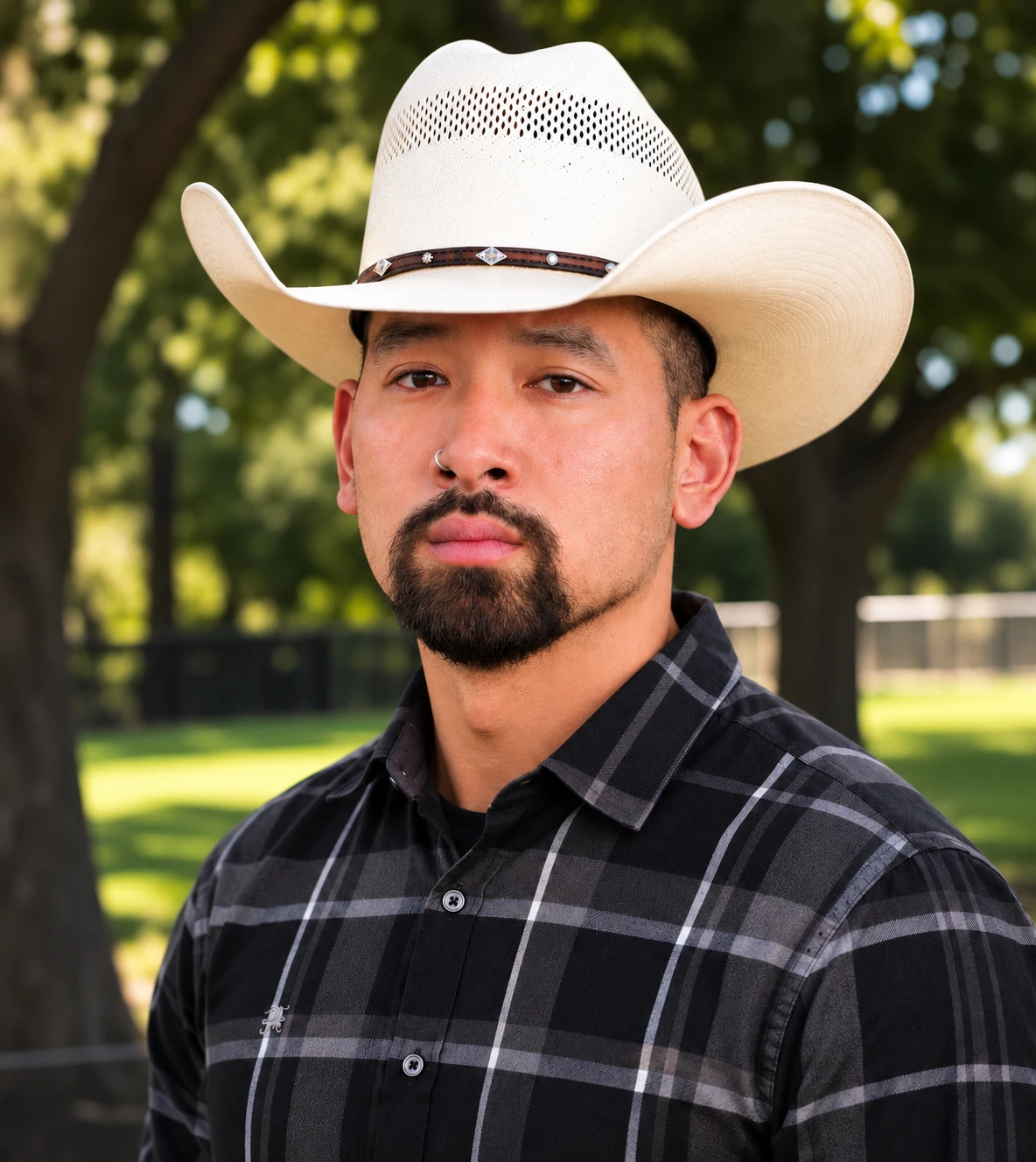

Houston, Texas
Why I’m building Omnis AI in Houston
I was born and raised in Houston. It’s where I built my legal career, where I’m raising my son, and where I intend to build Omnis AI.
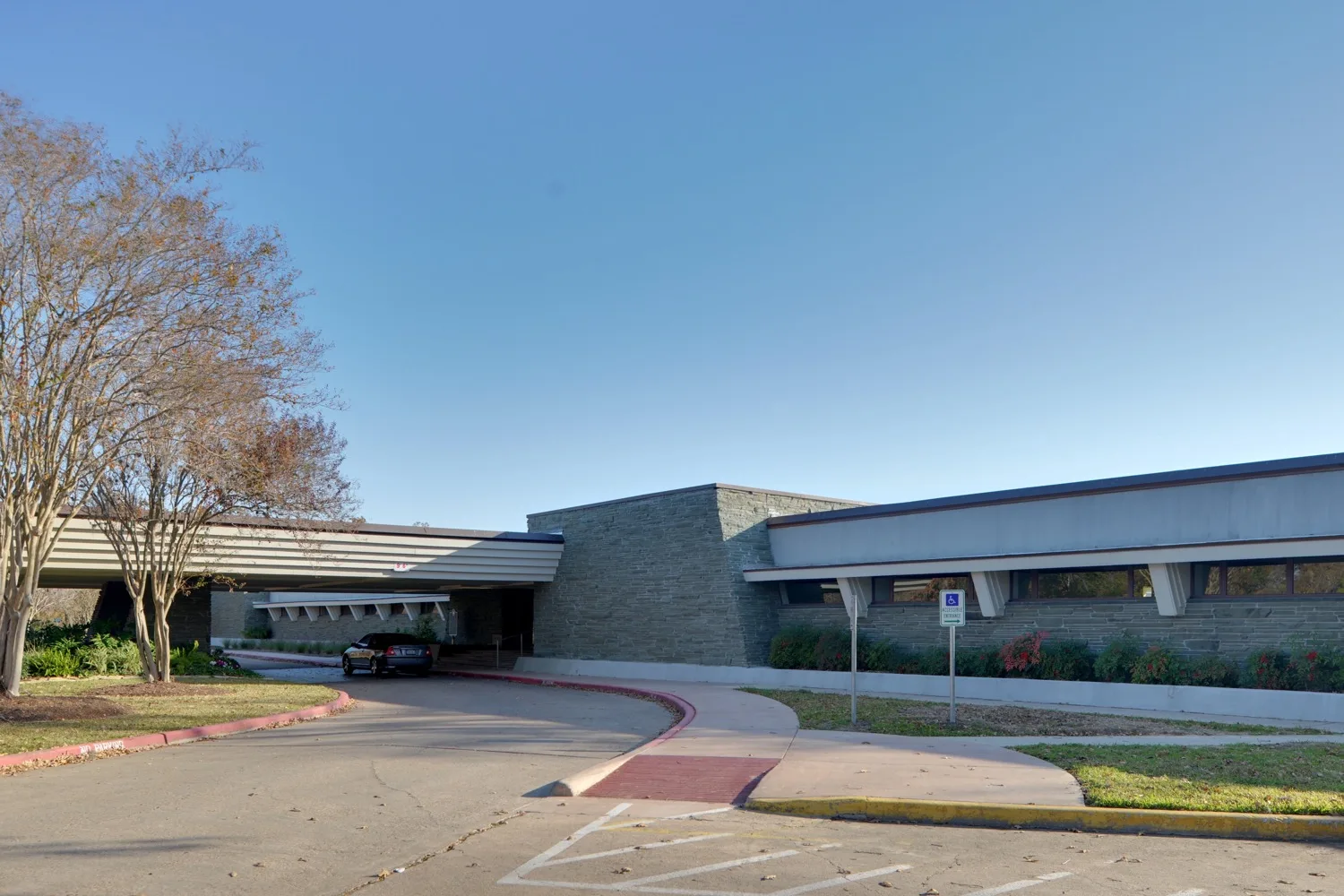
Our headquarters is at 6111 Gulf Freeway, near the University of Houston.
6111 Gulf Freeway
There’s something special about this property.
In the early 1960s, NASA’s Flight Operations Division worked here while preparing for America’s early human space missions. Engineers and flight controllers who helped lay the groundwork for the Gemini and Apollo programs once worked on this same site.
I didn’t fully appreciate the significance of that history when I first became interested in the property. But the more I learned about it, the more meaningful it became.
More than sixty years ago, people came here to work on technology that would change the world. Now we’re building an artificial intelligence company on the same ground. I like that connection.
The people of Site 5
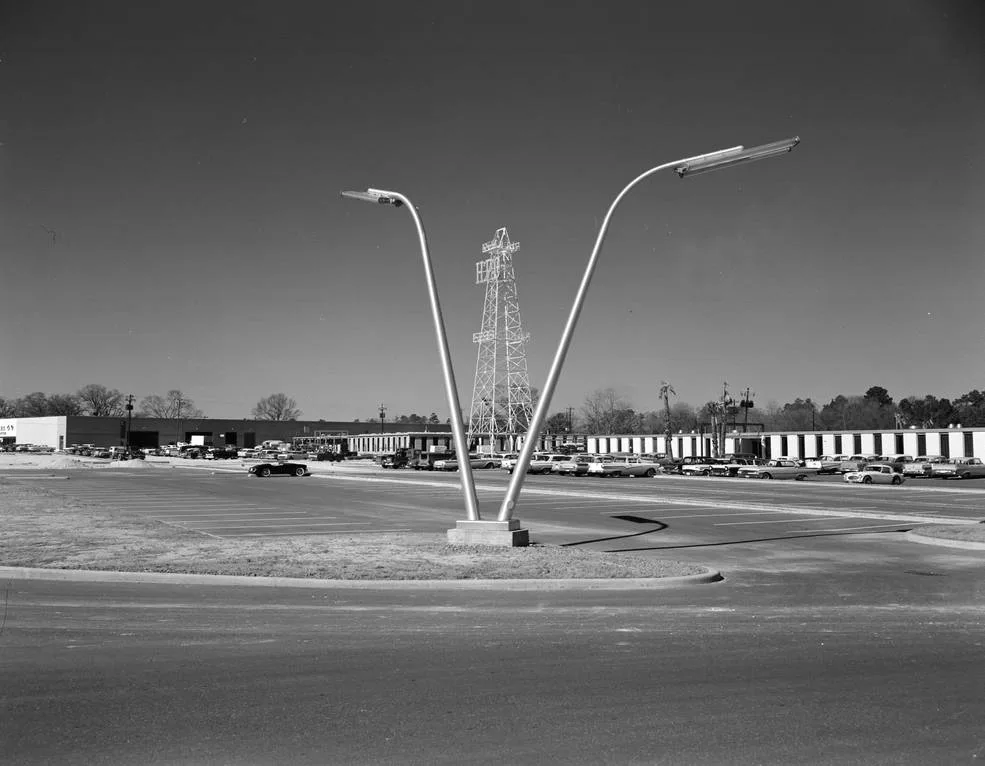
NASA photographed the core of its Flight Operations Division outside the Houston Petroleum Center before the move to Clear Lake. NASA’s caption calls them the nucleus of the 1960 Flight Operations Division for the Mercury Program.
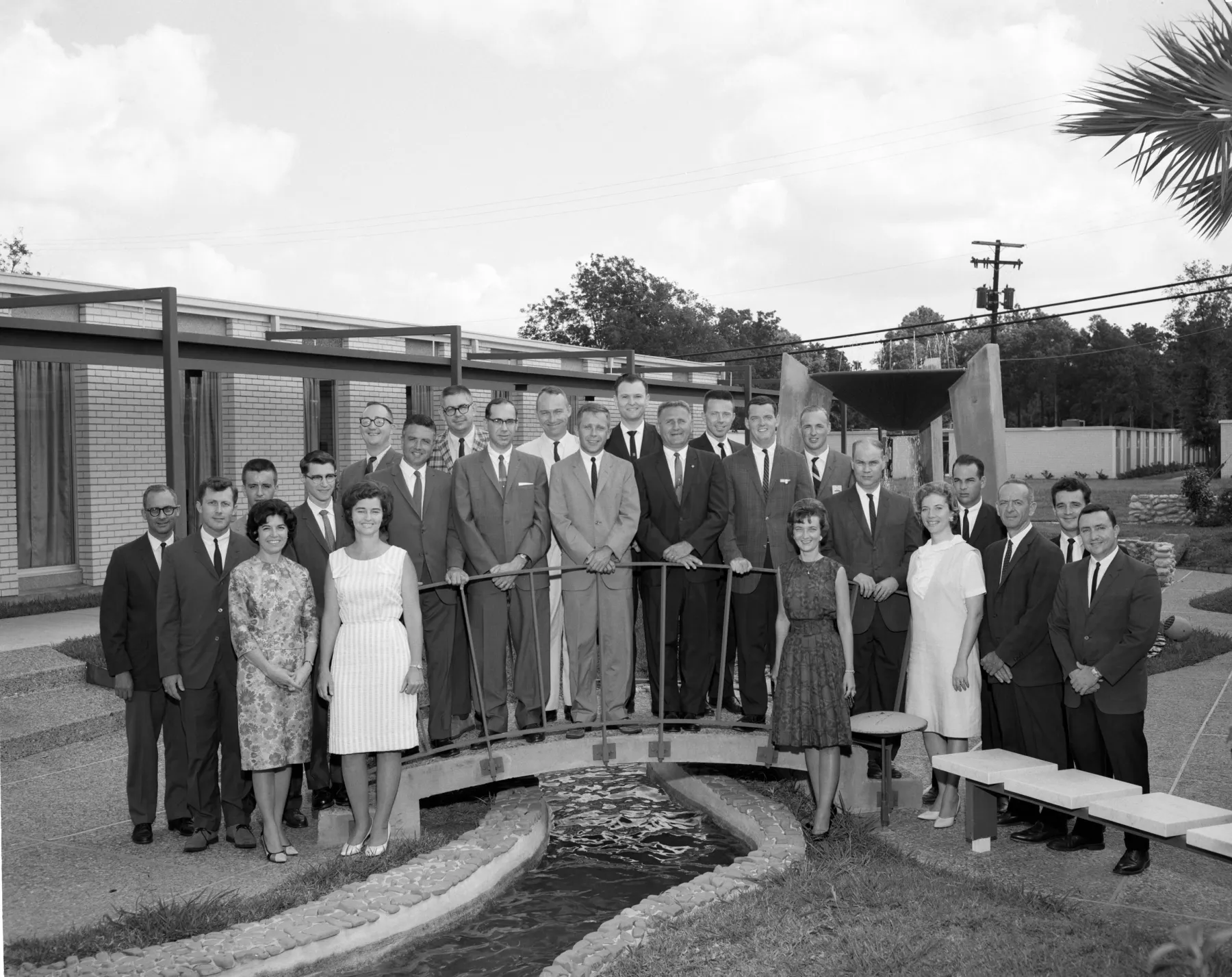
Who worked here
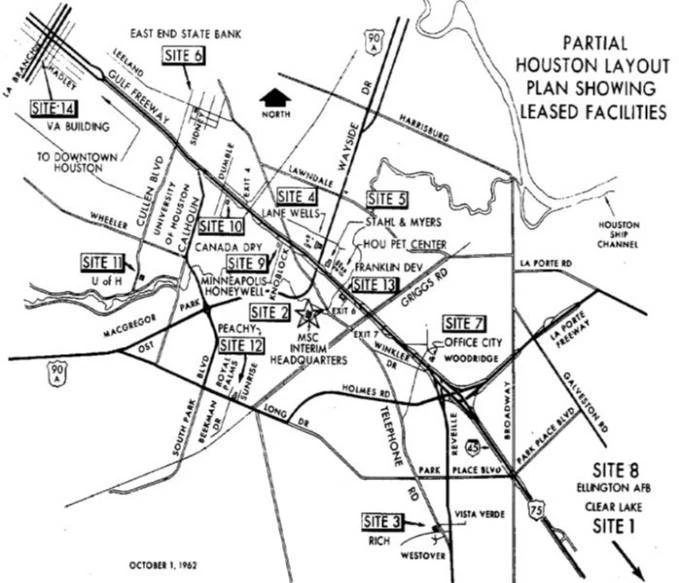
Site 5 was two buildings: the Houston Petroleum Center and, next door, Stahl & Myers. NASA’s 1962 phone directory puts the leaders of Flight Operations in them.
- Christopher Kraft
- Chief, Flight Operations Division. Room B-119, Houston Petroleum Center. Director of Johnson Space Center, 1972 to 1982. Source ↗
- John Hodge
- Assistant Chief for Flight Control, Stahl & Myers. His Flight Control Division designed Houston’s Mission Control Center. Source ↗
- Gene Kranz
- Flight Control Operations, Stahl & Myers. Flight director for the Apollo 11 landing and Apollo 13. Source ↗
- John Mayer
- Assistant Chief for Mission Planning. Room B-122c, Houston Petroleum Center. Ran NASA’s trajectory work. Source ↗
- Bill Tindall
- Mayer’s deputy, Houston Petroleum Center. Led the rendezvous planners through Gemini, up to the first rendezvous in space in December 1965. Source ↗
- Glynn Lunney
- Flight Dynamics Officer from the Mercury flights. Flight director during Apollo 13. Source ↗
- Lyn Dunseith
- Real Time Program Development, Houston Petroleum Center. Helped tie Mission Control’s computers and displays to the tracking network. Source ↗
What they worked on here
- 01Trajectories to the Moon
From the summer of 1962, Hal Beck’s Lunar Trajectory Section and its neighbors worked out Apollo’s paths to the Moon and back. Source ↗
- 02Rendezvous in orbit
Jim Dalby’s rendezvous analysts and Bill Tindall’s planners worked out how two spacecraft would find each other in orbit, the work that led to Gemini’s rendezvous in 1965. Source ↗
- 03Mission Control, on paper
At Stahl & Myers, John Hodge’s flight controllers laid out Houston’s Mission Control Center: the consoles, the back rooms and how many controllers it would take. Source ↗
In their own words
“We laid out this control center, how many controllers there would be, how many back rooms, what the consoles would be like.”
“They had a replica of an oil derrick out in their front yard.”
“A whole bunch of little buildings all connected with breezeways.”
“We all went outside and watched the motorcade go by.”
Site 5, then to now
NASA’s advance team opens its first Houston offices at Gulfgate Shopping City on the Gulf Freeway. Source ↗
NASA’s phone directory lists Christopher Kraft’s Flight Operations Division at the Houston Petroleum Center and the flight controllers next door at Stahl & Myers. Source ↗
NASA maps its leased buildings in Houston. Site 5, the Houston Petroleum Center and Stahl & Myers buildings, houses the Flight Operations Division. Source ↗
Staff step outside to watch President Kennedy’s motorcade pass, the day before he was killed in Dallas. Source ↗
The Flight Control Division (185 people) and Mission Planning and Analysis (200 people) leave Site 5 for Building 30 at the new Manned Spacecraft Center in Clear Lake. Source ↗
Millar, the Houston medical-device company Huntly Millar founded in 1969, is at 6001-A Gulf Freeway. It stays about thirty years. Source ↗
NASA photographs the one Site 5 building still standing, at 6001 Gulf Freeway. Source ↗
Millar opens its new headquarters in Pearland. Source ↗
Chi-Hung David Nguyen buys the property for Omnis AI.
Omnis AI launches from the property, now 6111 Gulf Freeway.
Thank you to the Millar family
NASA leased Site 5 and left when its leases ran out in June 1964. The property later became home to Millar, the Houston medical-device company Huntly Millar founded in 1969 to make catheter-tip pressure sensors for medicine and research. Millar was here from at least 1993 until 2023, when it opened a new headquarters in Pearland.
When the Millar family decided to sell, they had higher offers than mine. Russell Millar and his family chose mine because of my commitment to this part of Houston. I bought the property for Omnis AI in 2024, and Omnis AI launches from it in 2026. The Millars still live in the area. I’m grateful they trusted me with it, and I intend to prove them right.
Millar, About ↗NASA on the 1964 move ↗Community Impact, 2021 ↗
Houston has a history of taking on enormous challenges. We became a global center for energy, medicine, and aerospace.
I think we have an opportunity to do something similar with artificial intelligence. And I want Omnis AI to help.
- Built in HoustonEnergy
- Built in HoustonMedicine
- Built in HoustonAerospace
- NextArtificial intelligence
The University of Houston is just down the road. There are talented students, researchers, and entrepreneurs throughout this city who should have opportunities to build careers in AI without having to move to California or somewhere else.
I want to help create those opportunities here.
The foundation is already here
- 75acres
UH Technology Bridge, a research and innovation campus at 5000 Gulf Freeway
- $75M+
Invested in research facilities and infrastructure at Technology Bridge, as UH describes it
- 83
Startups Technology Bridge has helped spur since its launch in 2014
- $81.7M
Reported project budget for the UH Innovation Hub
Budget · main campusSource: UH Innovation Hub project materials ↗ - ~$374.49M
Planned university-wide construction expenditures in UH’s FY2027 capital plan
FY2027 budget, not yet spentSource: UH FY2027 executive budget ↗ - ~49,000
Students at the University of Houston
48,950 in fall 2025Source: UH facts, fall 2025 ↗
The FY2027 figure is UH’s budget for the whole university, not spending in this neighborhood. Project dates and amounts can change.
Connected to the rest of Houston
- to Hobby Airport by car, without traffic
- 14 min
- nonstop destinations from Hobby
- 81
- passengers through Hobby in 2025
- 13.9M
Gulf Freeway (I-45)Loop 610
Inside Loop 610, on the Gulf Freeway. Downtown is 8 minutes north and Hobby 14 minutes south, without traffic. Pick a place to see the drive.
The Houston around us
- Gragg Park3 min1 mi by car
NASA’s Manned Spacecraft Center had its temporary headquarters here, in the Farnsworth & Chambers Building, from 1962 to 1964. A city renovation from 2016 to 2018, about $3.47 million, added a lighted sports field, a playground and trails.
TSHA ↗City of Houston Parks Investment Report ↗ - The Orange Show3 min1.6 mi by car
Jeff McKissack built this folk-art monument to the orange, his favorite fruit, from 1956 to 1979. The Orange Show bought the five acres next door in 2017 and announced plans in 2022 to grow the campus.
Orange Show, About ↗Orange Show, Visit ↗ - Smither Park4 min1.7 mi by car
A park of mosaics made by more than 300 artists, next door to the Orange Show.
Orange Show, Visit ↗ - Gus Wortham Park Golf Course2 min1.3 mi by car
A public golf course on the East End.
Houston Golf Association ↗ - MacGregor Park4 min2.1 mi by car
65 acres. A renovation began in August 2026: 16 tennis and 8 pickleball courts, a shaded playground, more than 3,000 new trees and over three miles of trails. A pool and fitness improvements come in phase two.
Houston Parks Board ↗ - Mason Park6 min2.7 mi by car
104 acres on Brays Bayou, crossed by a 485-foot pedestrian and bike suspension bridge that opened in 2018.
East End Houston ↗Houston Parks Board ↗ - Brays Bayou trail
The Houston Parks Board’s Brays Bayou bike route runs from Hermann Park to Smither Park and the Orange Show.
Houston Parks Board ↗
Drive times from 6111 Gulf Freeway on OpenStreetMap roads (OSRM), without traffic, November 2026. Status as of November 2026.
Eventually, I’d love to see other technology companies move into this area, creating jobs and attracting more investment to the surrounding neighborhoods.
There’s no established AI district here today. But I think there could be. And I’d like to help build it.
What success would mean to me
I want Omnis AI to become a major company. I want us to build exceptional technology, attract talented people, and serve law firms across the country.
I’m not going to pretend that financial success isn’t part of my ambition. It absolutely is. But I also think about what that success could allow us to do.
I think about the employees we could hire, the families we could support, and the opportunities we could create. I think about building a workplace where parents can spend more time with their children. I think about helping law firm owners build more profitable businesses while improving the lives of their employees and clients.
And I think about what it would mean if other business leaders began making similar decisions.
I realize some of these ideas are ambitious. We’re still building the company, and there’s a lot of work ahead of us. But I would rather set out to build the kind of company I believe should exist than wait until we’re successful to decide what we stand for.
I can’t control how the rest of the world uses artificial intelligence. I can control the kind of company I build and the values that guide our decisions.
And I hope that, over time, we can show other business owners that there’s a better way to use this technology.
To my fellow law firm owners
If you own a law firm, I want you to think about something.
In the coming years, AI will give you opportunities to operate your business more efficiently than ever before. You’ll be able to accomplish things that previously required entire teams of people. And you’ll have decisions to make about what to do with those savings.
I hope you’ll consider investing some of them back into your employees.
- Give your case managers enough time to actually get to know their clients.
- Give your attorneys the resources to do their best work.
- Pay your people well. Create opportunities for them to advance. Build a workplace where talented employees want to stay.
I believe you’ll be surprised by how much more successful your firm can become when your employees have the time and support to provide exceptional service.
The firm down the street can buy the same AI you do. They can buy Omnis AI, too. What they can’t buy is the trust your people have in each other and in you. That trust takes years to earn, and it’s a competitive advantage no one can fake.
I know this isn’t for every owner. Some of us love the practice of law and have little interest in building a community around it. For those who want to build one, it takes real money and a personal commitment.
You hire another case manager so the people answering the phones have time to listen. You make sure the employee who needs to pick up her kid can leave at five, even on a busy day. And you show up yourself. Your people learn what matters to you by watching what you spend money on and what you make time for when you’re busy.
I have no doubt that as AI becomes part of everyday life, people will value human connection more than ever. In a personal injury firm, that connection is built long before a client ever calls.
A case manager who’s been with you for years picks up the phone the day before a client’s surgery, because she remembers how scared he was the last time they spoke. Months later, when a friend of his needs a lawyer, he remembers her name. Whether she’s still there when that friend calls has a lot to do with the kind of firm you chose to build.
And if we can build more profitable businesses while creating better jobs and taking better care of our clients, why wouldn’t we?
That’s what I want Omnis AI to help make possible.
I started this company because I believed artificial intelligence could help me build a better law firm. Today, my ambitions are much bigger.
I want to help build a future where extraordinary technology makes us more productive without losing the things that make us human. I want Omnis AI to be proof that we can do both.
More Intelligence. More Humanity.